








Generator Safety
Do you own a generator? Making sure it’s properly installed will help keep you and your family safe during power outages.
NB Power offers a service that safely links your portable generator directly to your power meter, keeping you connected if the power goes out. Visit the SureConnect Service webpage to learn more.
Installation Tips
-

Hire a qualified electrical contractor to install the unit.
- Check that you have the following components in addition to the generator itself: a transfer device or panel, and proper connection cords and receptacles.
- Ensure all components of the generator carry safety approved labels.
- Ensure the unit is properly grounded before use in accordance with the manufacturer's instructions and all electrical codes.
Operating Tips
- Disconnect from utility service before starting.
-

Do not use a portable generator in a flooded basement. Water and electricity are a dangerous combination.
- Be sure your hands are dry and you are standing in a dry place when operating a generator.
- Never remove or tamper with safety devices.
-

Remember the generator is a fuel driven device that requires proper ventilation to guard against carbon monoxide poisoning.
- Never operate a generator in your house, garage, or other enclosed building. Carbon monoxide is a colourless, odourless, and deadly gas.
-
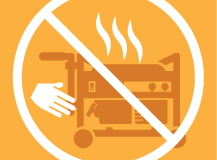
Keep children away from generators. Many engine parts become extremely hot during operation.
- Stored fuel creates a fire/explosion hazard. Under the National Fire Code, only five litres of fuel may be stored in a residential dwelling, or 30 litres in a garage/shed.
-
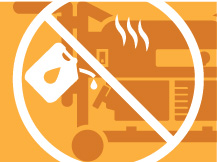
Never re-fuel a generator when it is hot, or while the engine is running.
- Good ventilation for your generator is critical, since overheating will damage the generator and render the warranty invalid.
Prevent carbon monoxide poisoning.
Carbon monoxide (CO) is a colorless, odourless gas in the engine exhaust. You may not smell the exhaust but could still be exposed to CO.
Never use generators indoors, including inside a garage or other enclosed or partially enclosed area. Only operate generators outdoors and at a location where the exhaust cannot enter into your home or other buildings through doors or windows.
Use a battery-operated CO detector at home.
This is also advisable for homes that have a natural gas fired forced air heating system.